Beginning Later - Age, Experience and the Desire That Waited
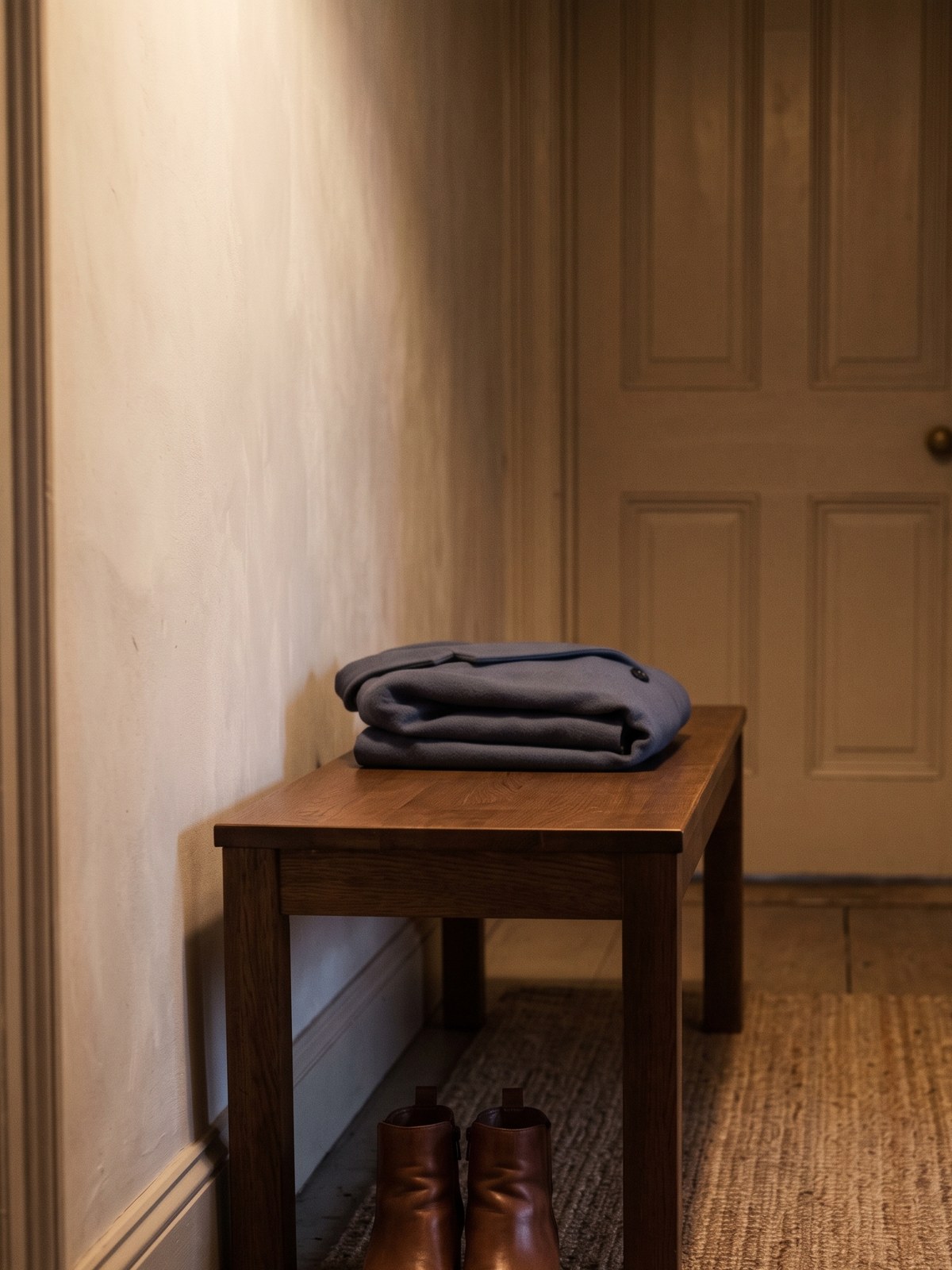
She folded her coat twice before she sat down, and then folded it once more. Sixty-one years old, retired from a career in school inspection, in Berlin for two nights. She told me later that she had rewritten the enquiry nine times over four months before sending it. The first thing she said in the room, before her name, was an apology. Not for anything she had done or failed to do. For the year printed in her passport. I have heard that apology, in some version, from almost every guest who arrives at this life after fifty.
They arrive after a divorce that took three years to finish and two more to recover from. They arrive eighteen months after a bereavement, when the flat has gone quiet in a way that no longer feels like mourning and begins to feel like a question. They arrive when the youngest child moves out, when a company is sold, when a scan comes back clear and the relief turns into an inventory of everything postponed. Berlin has a reputation for youth, and it is mostly marketing. A substantial part of my practice is people in their forties, fifties and sixties, many of them entering a studio for the first time. What has changed is rarely the desire. The desire is often decades old and remarkably specific. What has changed is that the reasons to keep it filed away have run out. Loss is frequently the door. It is a door, not a diagnosis.
Accuracy is the thing they bring, and it is rarer than enthusiasm. Enthusiasm is abundant and cheap, and the young have more of it than they know what to do with. Thirty years of adult life - negotiating salaries, sitting with dying parents, managing illness, holding a marriage together or ending it well - teaches a person to say what they mean while under pressure. That skill transfers directly. A guest of fifty-five can usually describe a limit in one sentence and mean it.
They also arrive without the need to be interesting. Younger guests often use a session to answer a question about who they are; the room becomes evidence in an ongoing case. Someone at fifty-seven has generally closed that case. They know what moves them and have known for a long time. What they lacked was a container, and a person who would hold it without laughing. The pressure to perform an identity lifts, and presence becomes possible almost immediately.
And they understand loss, which changes what surrender means. Anyone who has been through a serious illness, a redundancy, or the slow administration of a parent's death has already been thoroughly not in control. They know the taste of a powerlessness nobody chose. They grasp the distinction at the centre of this work faster than almost anyone: that giving something up on purpose, inside a boundary you set yourself, is the opposite of having it taken. Younger guests often need a year to feel that difference. Older ones tend to recognise it in a sentence.
The fears are usually three, and they arrive in the same order. The body comes first. Knees that object to kneeling, a shoulder that will not go where it once went, blood pressure, medication, a replaced hip, hearing aids that have to come out. None of this is an obstacle. It is information, and exactly the information a serious practitioner wants before anything begins. Rope calibrates to the body in front of it; height and drama were never the point. A body that has been lived in for six decades reports its limits honestly, which makes it easier to work with than one still guessing at its own edges.
The second fear is ridicule. Our culture files desire after fifty as either comedy or symptom, and older guests have absorbed that filing system thoroughly enough to apply it to themselves before anyone else can. Stigma is the daily business of BesD, the German professional association for sex workers, and the shame carried by a woman of sixty is a close relative of what they describe. Both rest on the same assumption: that certain desires disqualify a person from being taken seriously. In a properly built room, that assumption has nothing to attach to.
The third fear is the one that actually hurts, and it deserves more than a slogan. It is grief for the decades spent not doing this. I do not tell guests that the time was not lost. Some of it was, and pretending otherwise is a cheap consolation no adult believes. What I do say is that the years were not empty of it. The desire was carried the whole way, considered, refined, revisited in private for thirty years, and that carrying is material. It produces a shape and a precision that nothing else produces. And what would have happened at twenty-five would not have been the same thing at all. The person capable of receiving it had not been built yet.
She came back in the spring, and the coat went onto the hook without ceremony. The first session had been deliberately small: an hour, rope at the wrists, one instruction, a great deal of breathing, nothing that would have looked dramatic from outside. Most first sessions look like that, whatever age brings someone to them, and a first private session is scaled to the person in the room, not to an idea of what ought to happen. Afterwards she said she had expected to feel foolish and had felt, instead, entirely present. Too late is the sentence I hear most often in that room. So far it has not once described the person saying it.
← Previous: Power Exchange Beyond the Bedroom - Structure, Ritual and the Limits of Protocol